Beyond Trends: Sustainable Design Materials Shaping 2025 Interiors
As we step into 2025, the world of interior spaces is undergoing a significant transformation. The focus is shifting from fleeting trends to sustainable practices that not only benefit the environment but also create healthier and more aesthetically pleasing spaces.

This shift is driven by the incorporation of eco-friendly materials and innovative solutions that redefine the way we design our living and working spaces. The emphasis is on creating interiors that are not only visually appealing but also environmentally responsible.
Key Takeaways
- Eco-friendly materials are becoming increasingly popular in interior spaces.
- Sustainable practices are redefining the future of interior design.
- Innovative solutions are being adopted to reduce environmental impact.
- Healthier spaces are being created through the use of sustainable materials.
- Aesthetic appeal is being combined with environmental responsibility.
The Sustainable Design Revolution
As we step into 2025, the design industry is witnessing a significant transformation driven by sustainability. The increasing awareness of environmental issues and the need for eco-friendly practices have catapulted sustainable design from a trend to a standard. This shift is characterized by the adoption of green building materials and sustainable design principles that prioritize creating healthier indoor environments.
The Shift from Trend to Standard
The design industry's move towards sustainability is not just a passing phase; it's a fundamental shift in how designers and architects approach their work. In 2025, sustainability is at the forefront of design decisions, influencing the selection of materials, the layout of spaces, and the overall aesthetic of interiors. This shift is driven by a growing demand for sustainable interiors that are not only eco-friendly but also promote occupant well-being.
2025's Defining Sustainability Principles
The defining sustainability principles of 2025 revolve around reducing waste, utilizing renewable materials, and enhancing energy efficiency. Designers are now focusing on creating spaces that are not only visually appealing but also environmentally responsible. A key aspect of this is the use of innovative materials and technologies that minimize environmental impact while maximizing performance.
| Sustainability Principle | Description | Impact |
| Reducing Waste | Minimizing waste through efficient design and material use | Lessens environmental footprint |
| Renewable Materials | Utilizing materials that can be replenished naturally | Reduces dependence on non-renewable resources |
| Energy Efficiency | Optimizing energy use through design and technology | Lowers energy consumption and costs |
Biophilic Materials: Nature-Inspired Design Elements
Biophilic materials are at the forefront of sustainable design, bringing the outdoors into our homes and workplaces. These materials not only reduce our environmental footprint but also enhance the aesthetic appeal of interior spaces.
Next-Generation Bamboo Composites
Next-generation bamboo composites are revolutionizing the construction industry with their durability and sustainability. These composites are made by combining bamboo fibers with advanced resins, creating a material that is both strong and eco-friendly. According to a recent study, bamboo composites have shown a significant reduction in carbon emissions compared to traditional building materials.
Mycelium-Based Building Materials
Mycelium-based building materials are another innovative solution in biophilic design. Mycelium, the root structure of fungi, is used to create materials that are lightweight, fire-resistant, and insulating. As noted by experts, "Mycelium-based materials offer a promising alternative to traditional building materials, with potential applications in insulation, acoustic panels, and even structural components."
"Mycelium-based materials have the potential to significantly reduce the environmental impact of the construction industry."
Cork's Versatile Applications in Modern Spaces
Cork is a highly versatile material that is being used in a variety of applications in modern interior design. From flooring to wall coverings, cork brings a natural warmth and texture to spaces. Its acoustic insulation properties also make it an ideal material for soundproofing. The table below highlights some of the key benefits of using cork in interior design.
| Application | Benefits |
| Flooring | Soft, warm, and comfortable underfoot |
| Wall Coverings | Acoustic insulation, aesthetic appeal |
| Ceilings | Thermal insulation, sustainable |
Recycled and Upcycled Material Innovations
Recycled and upcycled materials are revolutionizing the interior design landscape, offering eco-friendly alternatives without compromising on style. This shift towards sustainability is driven by the need to reduce waste and promote environmentally conscious design practices.
The use of recycled materials in interior design not only reduces the environmental footprint but also adds a unique aesthetic to spaces. Designers and homeowners are increasingly seeking materials that are both sustainable and visually appealing.
Ocean Plastic Transformations
The transformation of ocean plastic into usable design elements is a significant innovation. Companies are now creating beautiful and functional products from recycled ocean plastic, ranging from decorative accessories to furniture.
Key benefits of using ocean plastic include reducing marine pollution and creating unique design pieces.
Post-Consumer Paper Products
Post-consumer paper products are being repurposed into stunning interior design elements. From wallpaper to decorative panels, these materials offer a sustainable alternative to traditional finishes.
"Using post-consumer paper products in design not only reduces waste but also adds a touch of creativity to spaces." - Eco-friendly Designer
Reclaimed Wood Technologies
Reclaimed wood technologies have advanced significantly, allowing for the creation of high-quality, sustainable wood products. These materials bring warmth and character to interior spaces while reducing the demand on virgin timber.
| Material | Benefits | Applications |
| Ocean Plastic | Reduces marine pollution, unique designs | Decorative accessories, furniture |
| Post-Consumer Paper | Sustainable, creative finishes | Wallpaper, decorative panels |
| Reclaimed Wood | Sustainable, warm aesthetic | Flooring, furniture, wall cladding |
Biofabricated Materials Revolutionizing Interior Design
The interior design industry is on the cusp of a revolution with biofabricated materials. These innovative materials are not only reducing the environmental footprint of design elements but also offering unprecedented performance and aesthetic possibilities. As the world moves towards more sustainable practices, biofabricated materials are emerging as a crucial component of green building materials.
Algae-Based Textiles and Surfaces
Algae-based textiles and surfaces are gaining traction in the design world. These materials are not only sustainable but also offer unique textures and visual appeal. They can be used in various applications, from upholstery to wall coverings, bringing a touch of nature indoors.
Lab-Grown Leather Alternatives
Lab-grown leather alternatives are revolutionizing the luxury segment of interior design. These materials mimic the look and feel of traditional leather but are produced without the environmental and ethical concerns associated with animal leather. They offer designers a guilt-free option for high-end projects.
Bacterial Cellulose Applications
Bacterial cellulose is another biofabricated material making waves in interior design. It can be used to create a variety of design elements, from lighting fixtures to decorative panels. Its unique properties make it an attractive option for designers looking for sustainable, high-performance materials.
| Material | Applications | Benefits |
| Algae-Based Textiles | Upholstery, Wall Coverings | Sustainable, Unique Textures |
| Lab-Grown Leather | Furniture, Accessories | Eco-Friendly, Luxury Appeal |
| Bacterial Cellulose | Lighting, Decorative Panels | High-Performance, Sustainable |
As the interior design industry continues to evolve, the integration of biofabricated materials is expected to play a significant role in shaping sustainable design practices. By embracing these innovative materials, designers can create spaces that are not only aesthetically pleasing but also environmentally responsible.
Energy-Efficient Material Solutions
As we move towards 2025, the focus on energy-efficient material solutions is becoming increasingly crucial in sustainable interior design. Buildings account for a significant portion of global energy consumption, and innovative materials are being developed to reduce this impact.
Thermal Regulation Innovations
Advanced thermal regulation materials are being developed to maintain optimal indoor temperatures, reducing the need for heating and cooling systems. These materials can absorb, store, and release heat as needed, improving energy efficiency. For instance, phase-change materials (PCMs) are being integrated into building structures to regulate temperature fluctuations.
Light-Responsive Surfaces
Light-responsive surfaces are another innovation in energy-efficient design. These surfaces can adjust their properties in response to changing light conditions, optimizing natural light usage and reducing artificial lighting needs. Electrochromic glass is a prime example, capable of changing its tint to control light transmission.
Passive Cooling Material Systems
Passive cooling material systems are designed to reduce indoor temperatures without relying on mechanical cooling systems. Materials with high thermal mass, such as concrete or certain PCMs, can absorb heat during the day and release it at night, maintaining a stable indoor climate. This approach not only saves energy but also enhances occupant comfort.
By incorporating these energy-efficient material solutions, designers and architects can create sustainable interiors that are both environmentally friendly and comfortable for occupants.
Water-Conscious Design Elements
The year 2025 is witnessing a significant shift towards water-conscious design elements in interior design. As concern over water scarcity grows, designers are incorporating innovative materials and technologies to reduce water waste and promote sustainability.
Moisture-Harvesting Surfaces
Moisture-harvesting surfaces are becoming increasingly popular in water-conscious design. These surfaces can capture and utilize moisture from the air, reducing the need for irrigation and minimizing water waste. For instance, hydrophilic coatings on walls and surfaces can absorb and condense water vapor, which can then be used for various non-potable purposes.

Water-Purifying Interior Features
Water-purifying interior features are another crucial aspect of water-conscious design. These features use advanced technologies like nanofiltration and UV treatment to purify water, making it safe for use in households. This not only reduces the reliance on bottled water but also minimizes the environmental impact of water transportation.
Drought-Resistant Material Alternatives
Drought-resistant materials are being increasingly used in interior design to reduce water consumption. For example, drought-tolerant plants and low-water landscaping are being incorporated into designs to minimize the need for irrigation. Additionally, materials like recycled glass and low-maintenance ceramics are being used to reduce water usage in households.
Health-Focused Sustainable Materials
As we move into 2025, the interior design landscape is shifting towards materials that not only sustain the environment but also enhance occupant health. This shift is driven by a growing awareness of the impact of indoor environments on human health and well-being.
Air-Purifying Surfaces and Textiles
Air-purifying surfaces and textiles are becoming increasingly popular in health-focused design. These innovative materials are designed to remove pollutants and toxins from the air, improving indoor air quality. For instance, certain textiles now incorporate photocatalytic materials that break down harmful airborne particles.
Non-Toxic Finishes and Adhesives
The use of non-toxic finishes and adhesives is another critical aspect of health-focused sustainable materials. Traditional finishes and adhesives can emit volatile organic compounds (VOCs) that compromise indoor air quality. Eco-friendly alternatives, such as low-VOC paints and natural adhesives, offer a healthier solution without sacrificing performance.
Antimicrobial Natural Materials
Antimicrobial natural materials are gaining traction for their ability to reduce the spread of pathogens in indoor environments. Materials like bamboo and certain types of wood have natural antimicrobial properties. When used in interior design, these materials can contribute to a healthier indoor environment.
| Material | Health Benefit | Sustainability Feature |
| Air-Purifying Textiles | Improves indoor air quality | Uses photocatalytic technology |
| Low-VOC Paints | Reduces VOC emissions | Eco-friendly formulation |
| Bamboo | Antimicrobial properties | Renewable resource |
Certification and Standards in Sustainable Design
The role of certification and standards in sustainable design is evolving rapidly in 2025. As the industry continues to grow, it's essential to have a framework that ensures the integrity and effectiveness of eco-friendly practices.
Emerging Eco-Certifications for 2025
New eco-certifications are emerging to address the changing landscape of sustainable design. For instance, certifications like LEED (Leadership in Energy and Environmental Design) and Well Building Standard are being updated to include new criteria for sustainable materials and energy efficiency. These certifications provide a benchmark for companies to measure their sustainability efforts.
Global vs. Regional Standards
The debate between global and regional standards is gaining traction. While global standards provide a unified framework, regional standards can address specific environmental concerns unique to a particular area. For example, regions prone to drought may have stricter water conservation standards. Balancing these approaches is crucial for effective sustainable design.

Consumer-Facing Transparency Tools
To empower consumers, transparency tools are being developed to provide clear information about the sustainability of products. These tools, such as environmental product declarations (EPDs), enable consumers to make informed decisions. By having access to detailed information about a product's environmental impact, consumers can drive demand for more sustainable products.
Implementing Sustainable Materials Across Living Spaces
In 2025, homeowners are focusing on incorporating sustainable materials across different living spaces to create a greener future. This involves transforming various areas of the home, from kitchens and bathrooms to living areas, bedrooms, and workspaces, using eco-friendly design principles.
Kitchen Transformations
Kitchens are being revolutionized with sustainable materials such as recycled glass countertops, bamboo flooring, and eco-friendly cabinets. These materials not only reduce environmental impact but also add a unique aesthetic to the kitchen space. For instance, recycled glass countertops made from post-consumer glass waste are durable and stylish.
Bathroom Innovations
Bathrooms are also undergoing a sustainable makeover with the use of low-flow fixtures, sustainable tile materials, and reclaimed wood accents. Low-flow showerheads and toilets significantly reduce water consumption, while sustainable tiles made from natural materials like porcelain or ceramic are both eco-friendly and visually appealing.
Living Areas and Bedrooms
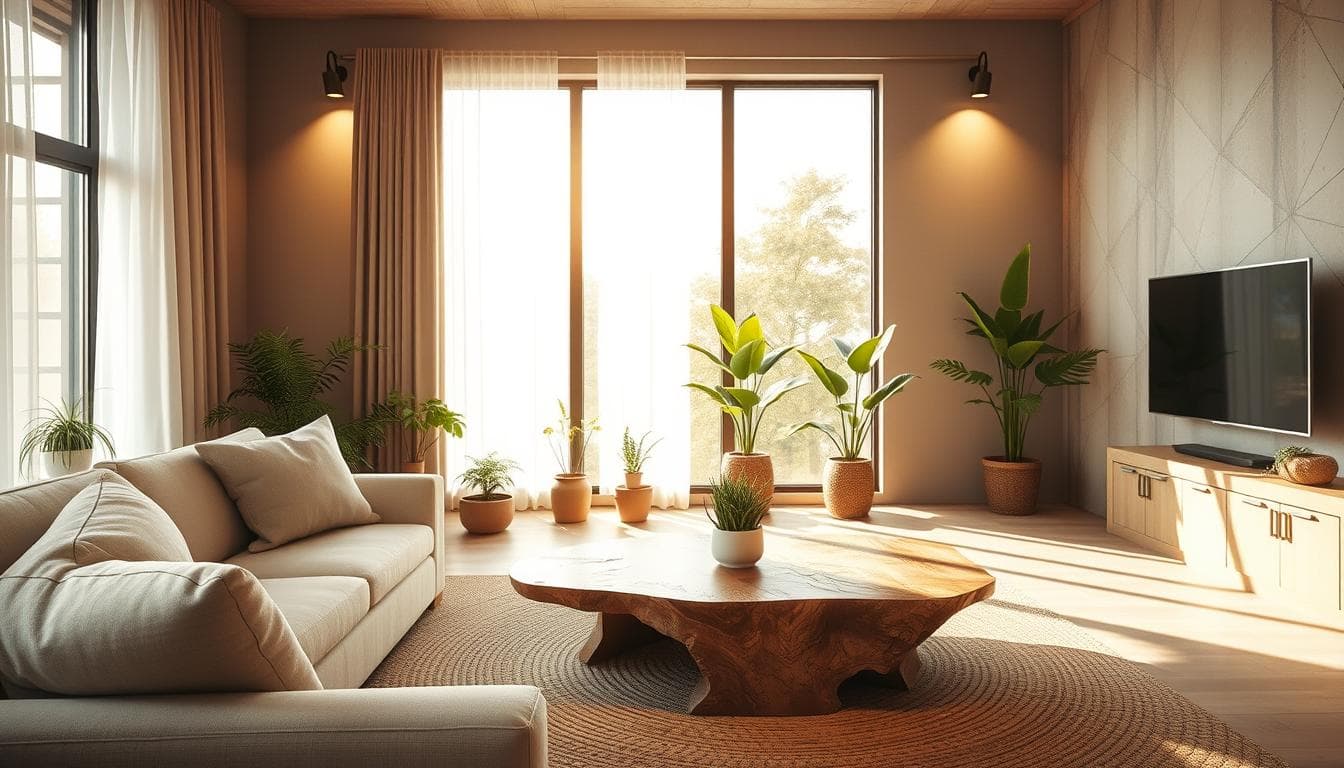
Living areas and bedrooms are being redesigned with sustainable furniture made from reclaimed wood, organic textiles, and eco-friendly paints. These materials create a healthier indoor environment and promote a more sustainable lifestyle. For example, reclaimed wood furniture adds character to a room while reducing the demand for new timber.
Workspace Sustainability
Workspaces within the home are also being optimized for sustainability with the use of energy-efficient lighting, sustainable desk materials, and ergonomic furniture made from eco-friendly materials. Creating a sustainable workspace not only benefits the environment but also enhances productivity and well-being.
Conclusion: The Future of Sustainable Interior Design
As we look ahead to 2025, it's clear that sustainable interior design is becoming the new standard. The integration of eco-friendly materials and innovative design elements is transforming the way we create and interact with our living spaces. From biophilic materials to energy-efficient solutions, the trends shaping 2025 interiors are not only aesthetically pleasing but also contribute to a healthier planet.
The future of sustainable design is exciting, with advancements in biofabricated materials, recycled and upcycled innovations, and water-conscious design elements. By embracing these sustainable design principles, we can create spaces that are both beautiful and environmentally responsible. As the demand for eco-friendly materials continues to grow, we can expect to see even more innovative solutions emerge in the world of interior design.
As we move forward, it's essential to stay informed about the latest 2025 design trends and the role sustainable design plays in shaping our interiors. By doing so, we can create a more sustainable future, one space at a time.