Future-Proof Your Business with Sustainable Building Design
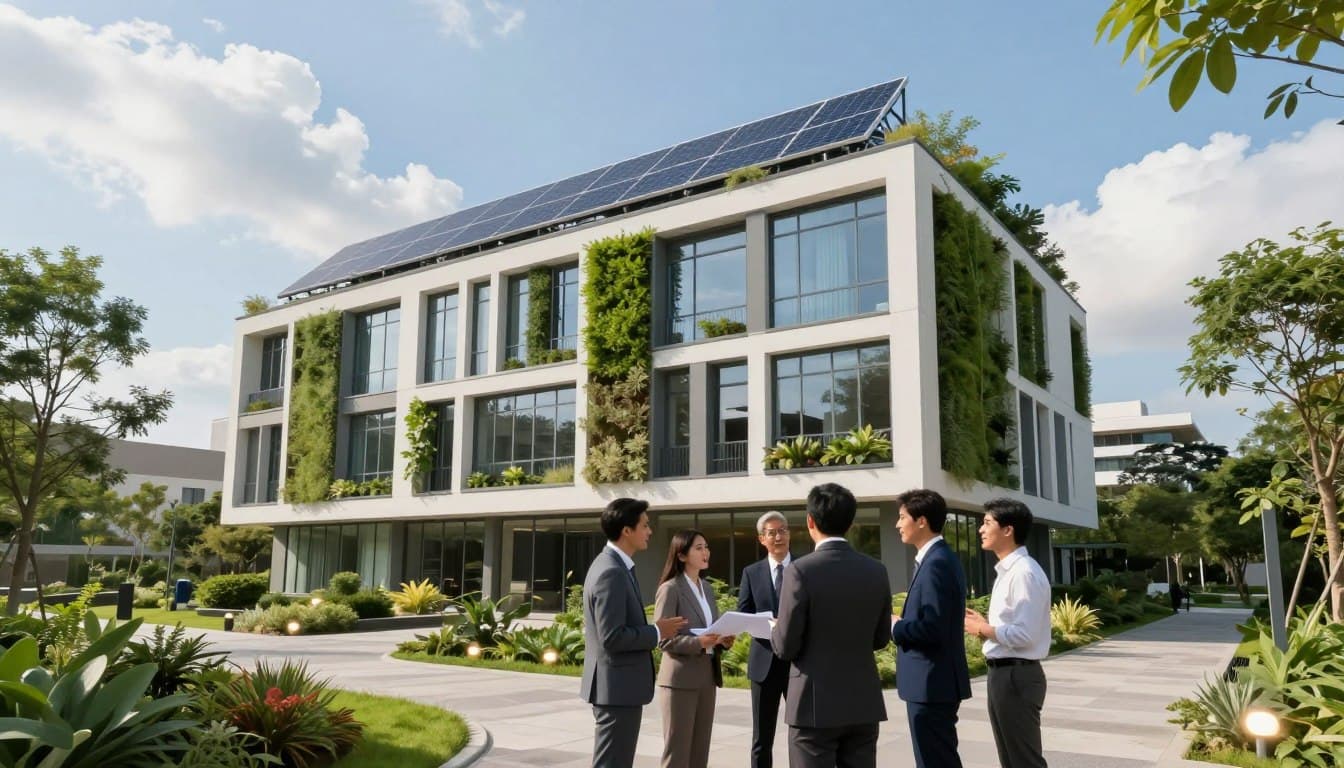
In today's eco-conscious market, businesses are increasingly recognizing the importance of sustainable building practices. By adopting eco-friendly approaches, companies can not only reduce their environmental footprint but also enhance their brand reputation and appeal to a growing demographic of environmentally aware consumers.

Embracing green building principles can lead to significant cost savings through reduced energy consumption and lower operational costs. Moreover, sustainable buildings are designed to be more resilient and adaptable, ensuring a long-term return on investment.
Key Takeaways
- Investing in sustainable building practices can boost your brand's eco-friendly image.
- Eco-friendly buildings can lead to significant cost savings through reduced energy consumption.
- Sustainable buildings are more resilient and adaptable, ensuring long-term value.
- Adopting green building principles can attract environmentally conscious consumers.
- Sustainable building design is crucial for future-proofing your business.
The Business Case for Sustainable Building Design
Sustainable building design is no longer just an environmental issue, but a sound business strategy that offers numerous economic benefits. As companies continue to prioritize sustainability, the advantages of green building design are becoming increasingly clear.
Economic Benefits of Going Green
Investing in sustainable building design can have significant economic benefits, including reduced energy costs and increased property value. Some of the key economic benefits include:
- Reduced energy consumption and lower utility bills
- Increased property value and rental income
- Improved indoor air quality and productivity
Long-term Cost Savings
One of the most significant economic benefits of sustainable building design is long-term cost savings. By reducing energy consumption and improving efficiency, businesses can save money on utility bills and maintenance costs. According to the U.S. Green Building Council, green buildings can reduce energy consumption by up to 30%.
Tax Incentives and Rebates
In addition to long-term cost savings, businesses can also benefit from tax incentives and rebates for sustainable building design. Many governments offer incentives for businesses that invest in green building technologies, such as solar panels and energy-efficient HVAC systems. For example, the U.S. Department of Energy offers a database of state and local incentives for renewable energy and energy efficiency.
Competitive Advantage in the Market
Sustainable building design can also provide a competitive advantage in the market, enhancing a company's brand image and appealing to customers and clients. Some of the key benefits include:
- Enhanced brand image and reputation
- Increased customer loyalty and retention
- Improved employee productivity and satisfaction
Brand Image Enhancement
By investing in sustainable building design, businesses can enhance their brand image and reputation, demonstrating a commitment to environmental responsibility and social responsibility. As
"Companies that prioritize sustainability are more likely to attract customers and talent who share similar values."
-
Forbes
Customer and Client Appeal
Sustainable building design can also appeal to customers and clients, providing a unique and attractive environment that sets a business apart from its competitors. By incorporating green building features, such as natural lighting and green roofs, businesses can create a welcoming and healthy environment that improves customer satisfaction.
Environmental Impact of Traditional vs. Sustainable Buildings
Traditional buildings have a substantial environmental footprint, but sustainable designs offer a promising alternative. The construction and operation of buildings account for a significant portion of global energy consumption and greenhouse gas emissions.
The environmental impact of traditional buildings is multifaceted, involving not just energy use but also resource depletion and waste generation. In contrast, sustainable buildings are designed to minimize these effects through efficient systems and renewable energy integration.
Carbon Footprint Reduction
One of the primary benefits of sustainable buildings is their ability to reduce carbon footprint. This is achieved through:
- Energy-efficient HVAC systems
- Use of renewable energy sources like solar and wind power
- Improved insulation and building envelope design
By implementing these strategies, buildings can significantly lower their emissions, contributing to a cleaner environment.
Resource Conservation Strategies
Resource conservation is another critical aspect of sustainable building design. Strategies include:
- Water-saving fixtures and greywater reuse systems
- Use of recycled and sustainably sourced materials
- Efficient waste management and recycling practices during construction and operation
These approaches not only reduce the environmental impact but also offer economic benefits through reduced operational costs.
In conclusion, the shift towards sustainable buildings is crucial for mitigating environmental harm. By focusing on carbon footprint reduction and resource conservation, we can create a more sustainable future for our built environment.
Core Principles of Sustainable Design for Commercial Spaces
Sustainable design principles are revolutionizing commercial spaces, offering a trifecta of benefits that include environmental stewardship, economic savings, and enhanced occupant wellbeing. These principles are not just about reducing the environmental impact of buildings; they're also about creating spaces that are healthier, more productive, and more appealing to occupants and visitors alike.
Energy Efficiency Systems
One of the core principles of sustainable design is the incorporation of energy efficiency systems. This includes the use of LED lighting, high-efficiency HVAC systems, and smart building technologies that optimize energy consumption in real-time. By reducing energy waste, commercial buildings can significantly lower their operating costs and minimize their carbon footprint.
Water Conservation Features
Water conservation is another critical aspect of sustainable design. This can be achieved through the installation of low-flow fixtures, greywater reuse systems, and rainwater harvesting. These features not only reduce water consumption but also decrease the strain on municipal water supplies.
Sustainable Materials Selection
The selection of sustainable materials is a key principle of sustainable design. This involves choosing materials that are recycled, recyclable, or sustainably sourced. Within this category, there are two important subcategories to consider:
Recycled and Upcycled Materials
Using recycled and upcycled materials in construction and interior design reduces waste and conserves natural resources. Examples include reclaimed wood, recycled glass countertops, and carpets made from recycled plastic.
Low-VOC and Non-Toxic Options
Another important consideration is the use of low-VOC (Volatile Organic Compound) and non-toxic materials. These materials improve indoor air quality, reducing the risk of health problems for occupants. Examples include low-VOC paints, natural linoleum flooring, and formaldehyde-free insulation.
By incorporating these core principles of sustainable design, commercial spaces can not only reduce their environmental impact but also create healthier, more productive environments for occupants. As the demand for sustainable buildings continues to grow, adopting these principles is becoming increasingly important for businesses looking to future-proof their operations.
Integrating Renewable Energy into Your Building Design
The shift towards renewable energy sources is transforming the way we design and operate buildings. As the world moves towards a more sustainable future, incorporating renewable energy into building design has become a key strategy for businesses looking to reduce their environmental impact.

There are several ways to integrate renewable energy into your building design. Let's explore some of the most effective options:
Solar Power Solutions
Solar power is one of the most accessible forms of renewable energy for businesses. By installing solar panels on rooftops or incorporating them into building facades, companies can significantly reduce their reliance on non-renewable energy sources. Solar power solutions not only reduce energy costs but also contribute to a reduction in carbon emissions.
Wind Energy Options
For businesses with suitable locations, wind energy can be a viable option. This can involve installing wind turbines on-site or investing in off-site wind farms. Wind energy options are particularly effective for larger commercial properties or those in areas with consistent wind patterns.
Geothermal Systems for Businesses
Geothermal systems utilize the earth's natural temperature to provide heating and cooling. This highly efficient system can significantly reduce energy consumption and costs. Geothermal systems are particularly beneficial for businesses with high heating and cooling demands.
As noted by industry experts, "The integration of renewable energy sources into building design is not just a trend, but a necessary step towards a sustainable future." Incorporating these systems not only benefits the environment but also enhances the value and appeal of commercial properties.
Smart Building Technologies for Future-Proofing
Smart building technologies are revolutionizing the way we design, operate, and maintain commercial spaces. By integrating advanced systems and data analytics, businesses can create more efficient, sustainable, and adaptable buildings that meet the evolving needs of occupants.
Automated Energy Management Systems
Automated energy management systems play a crucial role in optimizing energy consumption within commercial buildings. These systems use real-time data and advanced algorithms to minimize energy waste and reduce costs. By automatically adjusting lighting, heating, and cooling systems based on occupancy and environmental conditions, businesses can significantly lower their energy footprint.
IoT Applications for Resource Optimization
The Internet of Things (IoT) is transforming commercial buildings by enabling the connection of various devices and systems. IoT applications allow for real-time monitoring and control of resources such as water and energy, helping businesses identify areas of inefficiency and implement corrective measures.
Data-Driven Facility Management
Data-driven facility management is at the heart of smart building technologies. By leveraging data from various sources, facility managers can make informed decisions about building operations and maintenance. This approach enables proactive maintenance and optimization of building systems.
Predictive Maintenance
Predictive maintenance uses data analytics and machine learning algorithms to predict when equipment is likely to fail. This allows maintenance teams to address issues before they become major problems, reducing downtime and extending the lifespan of equipment.
Occupancy-Based Controls
Occupancy-based controls adjust building systems based on the number of people present in a space. This can lead to significant energy savings and improved comfort for occupants. By using sensors and data analytics, businesses can create a more responsive and efficient building environment.
By embracing smart building technologies, businesses can future-proof their commercial spaces, creating environments that are not only more sustainable and efficient but also more attractive to tenants and occupants.
Biophilic Design: Bringing Nature into the Workplace
Biophilic design, which integrates natural elements into the built environment, is revolutionizing modern workplaces. This approach not only enhances the aesthetic appeal of a building but also contributes significantly to the wellbeing and productivity of its occupants.
Benefits for Employee Wellbeing and Productivity
Studies have shown that incorporating biophilic elements into office design can lead to improved employee satisfaction, reduced stress levels, and increased productivity. Natural light, for instance, plays a crucial role in regulating circadian rhythms and boosting mood.
Employees working in environments with ample natural light and views of nature tend to have better cognitive function and are more engaged in their work. Moreover, biophilic design can foster creativity and innovation, giving businesses a competitive edge.
Implementation Strategies for Various Spaces
Implementing biophilic design can be achieved through various strategies tailored to different workplace settings.
Natural Light Optimization
Maximizing natural light through strategic window placement and the use of reflective surfaces can significantly enhance the ambiance of a workspace.
Living Walls and Indoor Gardens
Incorporating living walls or indoor gardens not only purifies the air but also creates a calming and visually appealing environment.
Natural Materials and Textures
Using natural materials such as wood, stone, and plants can add warmth and texture to a space, making it more inviting and comfortable for employees.
| Biophilic Element | Benefits | Implementation Tips |
| Natural Light | Improves mood, regulates circadian rhythms | Use skylights, large windows |
| Living Walls | Purifies air, reduces stress | Incorporate vertical gardens |
| Natural Materials | Adds warmth, texture | Use wood, stone, plants |
Green Building Certifications and Standards
Green building certifications play a vital role in promoting sustainable construction and operational practices. These certifications not only help reduce the environmental impact of buildings but also enhance their market value and appeal to eco-conscious tenants and customers.
LEED Certification Process
The LEED (Leadership in Energy and Environmental Design) certification is one of the most widely recognized green building certification programs worldwide. It provides a framework for designing, constructing, and operating buildings that are environmentally friendly and sustainable. The LEED certification process involves several steps, including project registration, documentation submission, and verification by the Green Business Certification Inc. (GBCI).
WELL Building Standard
The WELL Building Standard is a performance-based system that focuses on the health and wellbeing of building occupants. It evaluates factors such as air quality, lighting, and thermal comfort to create a healthier indoor environment. By achieving WELL certification, businesses can demonstrate their commitment to occupant health and productivity.
Energy Star and Other Rating Systems
Energy Star is a program run by the U.S. Environmental Protection Agency (EPA) that helps businesses and individuals save money and protect the environment through energy-efficient products and practices. Buildings that earn the Energy Star label are among the top 25% most energy-efficient in the country. Other rating systems, such as the Green Globes and the Passive House standards, also promote energy efficiency and sustainability in building design and operation.
In conclusion, green building certifications like LEED, WELL, and Energy Star are essential tools for businesses seeking to reduce their environmental impact and enhance their sustainability credentials. By understanding and leveraging these certifications, companies can make informed decisions that benefit both their bottom line and the planet.
Retrofitting Existing Buildings for Sustainability
The process of retrofitting existing buildings offers a unique opportunity to enhance sustainability and reduce environmental impact. As businesses look to minimize their ecological footprint, retrofitting has become an attractive option for improving the efficiency and sustainability of their existing infrastructure.
Assessment and Planning Process
The first step in retrofitting an existing building is a thorough assessment and planning process. This involves evaluating the building's current energy usage, identifying areas of inefficiency, and determining the most effective upgrades. Key areas to assess include lighting, HVAC systems, insulation, and window efficiency. A comprehensive assessment will help in creating a tailored plan that addresses the specific needs of the building.
Cost-Effective Upgrade Strategies
Implementing cost-effective upgrades is crucial for making retrofitting financially viable. Strategies include upgrading to LED lighting, optimizing HVAC systems, and improving insulation. Energy-efficient upgrades not only reduce operational costs but also enhance the building's value. Prioritizing upgrades based on cost-benefit analysis ensures that the most impactful changes are made first.
Phased Implementation Approaches
A phased implementation approach allows businesses to retrofit their buildings without significant disruptions to operations. This involves prioritizing upgrades and implementing them in stages. A well-planned phased approach can help manage costs and minimize downtime. It also allows for adjustments based on feedback and changing needs over time.

By adopting a strategic approach to retrofitting, businesses can significantly improve the sustainability of their existing buildings. This not only contributes to environmental conservation but also enhances operational efficiency and reduces costs in the long run.
- Conduct thorough assessments to identify areas for improvement.
- Prioritize cost-effective upgrades that offer the most significant impact.
- Implement changes in phases to minimize operational disruptions.
Case Studies: Successful Sustainable Business Buildings
Examining successful sustainable business buildings reveals a common thread - a commitment to environmental responsibility and economic viability. These case studies demonstrate how businesses across various sectors are benefiting from sustainable design.
Small Business Transformations
Small businesses are increasingly adopting sustainable practices, driven by both environmental concerns and the potential for cost savings. For instance, a small marketing firm in Portland retrofitted its office with energy-efficient lighting and a rainwater harvesting system, reducing its utility bills by 30%.
Key strategies included using reclaimed wood for interior design and installing solar panels on the rooftop. These changes not only reduced the firm's carbon footprint but also enhanced its brand image among eco-conscious clients.
Corporate Headquarters Showcasing Innovation
Large corporations are also making significant strides in sustainable building design. A notable example is the headquarters of a tech giant in Silicon Valley, which was designed with a living roof and a highly efficient HVAC system. This building achieved LEED Platinum certification and serves as a model for future corporate designs.
The incorporation of biophilic design elements has been particularly successful, improving employee satisfaction and productivity. The company's commitment to sustainability has also attracted top talent and enhanced its public image.
Retail and Hospitality Sector Examples
The retail and hospitality sectors are embracing sustainability through innovative building designs. A boutique hotel in New York City incorporated green walls and a rooftop garden, enhancing guest experience while reducing energy consumption.
| Sector | Sustainable Feature | Benefit |
| Small Business | Energy-efficient lighting | Reduced utility bills |
| Corporate | LEED Platinum certification | Enhanced brand image |
| Retail/Hospitality | Green walls and rooftop garden | Improved guest experience and reduced energy consumption |
These case studies illustrate the diverse applications and benefits of sustainable business buildings, from cost savings and enhanced brand image to improved employee productivity and customer satisfaction.
Conclusion: Building a Sustainable Future for Your Business
As we've explored throughout this article, embracing sustainable building design is crucial for businesses looking to thrive in a rapidly changing world. By integrating green building practices, companies can not only reduce their environmental footprint but also reap significant business benefits, from cost savings to enhanced brand reputation.
Adopting sustainable building design is a strategic move that can future-proof your business, making it more resilient and competitive. It's about creating a sustainable future where your business can grow and succeed while contributing to the well-being of the planet.
By considering the principles of sustainable design, leveraging smart building technologies, and exploring renewable energy options, businesses can make a positive impact. The journey towards sustainability is ongoing, and every step counts. We encourage you to start building a more sustainable future for your business today.